What to Know About Buying a Manufactured Home in Quincy
May 21, 2026
May 21, 2026
Are you thinking about buying a manufactured home in Quincy because it seems like a more affordable path to homeownership? You are not alone, and it can be a smart option, but the process is not always as simple as buying a standard site-built house. In Quincy and the rest of Grant County, where the home sits, how it is titled, and how it will be financed can all change the deal. This guide walks you through the key issues so you can move forward with more confidence. Let’s dive in.
Buying a manufactured home in Quincy starts with one basic question: is the property inside Quincy city limits or in unincorporated Grant County? That matters because the permit process can change depending on the location.
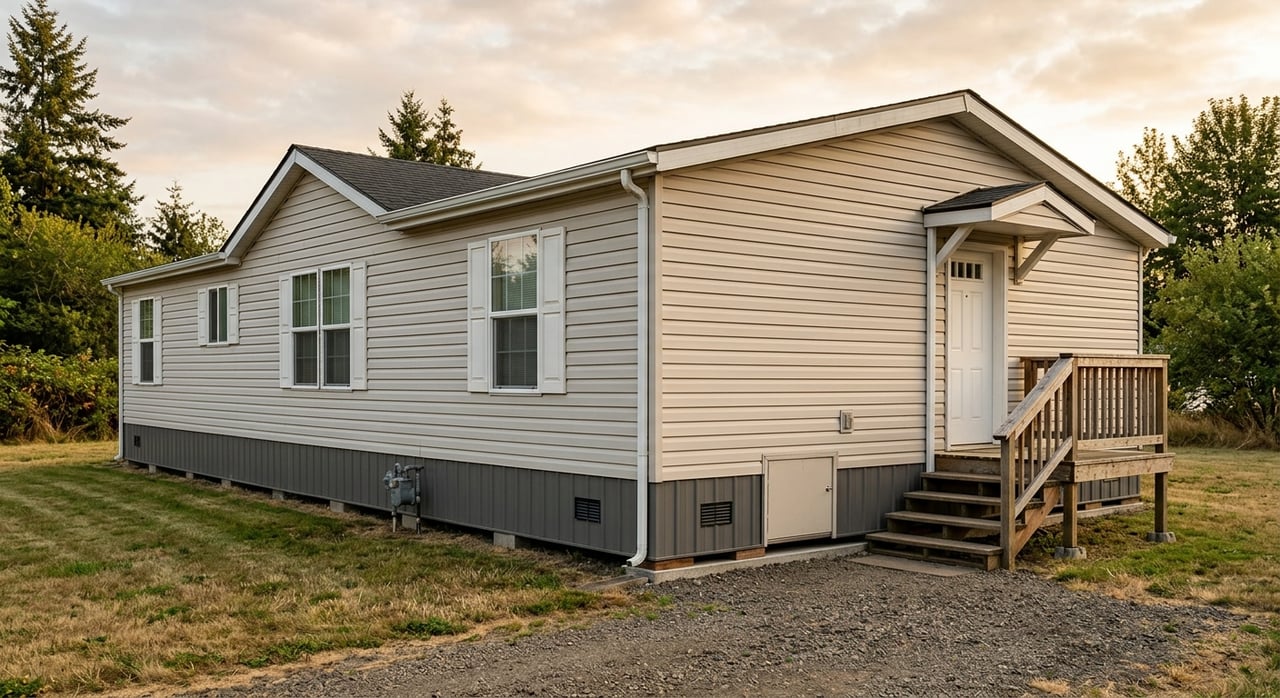
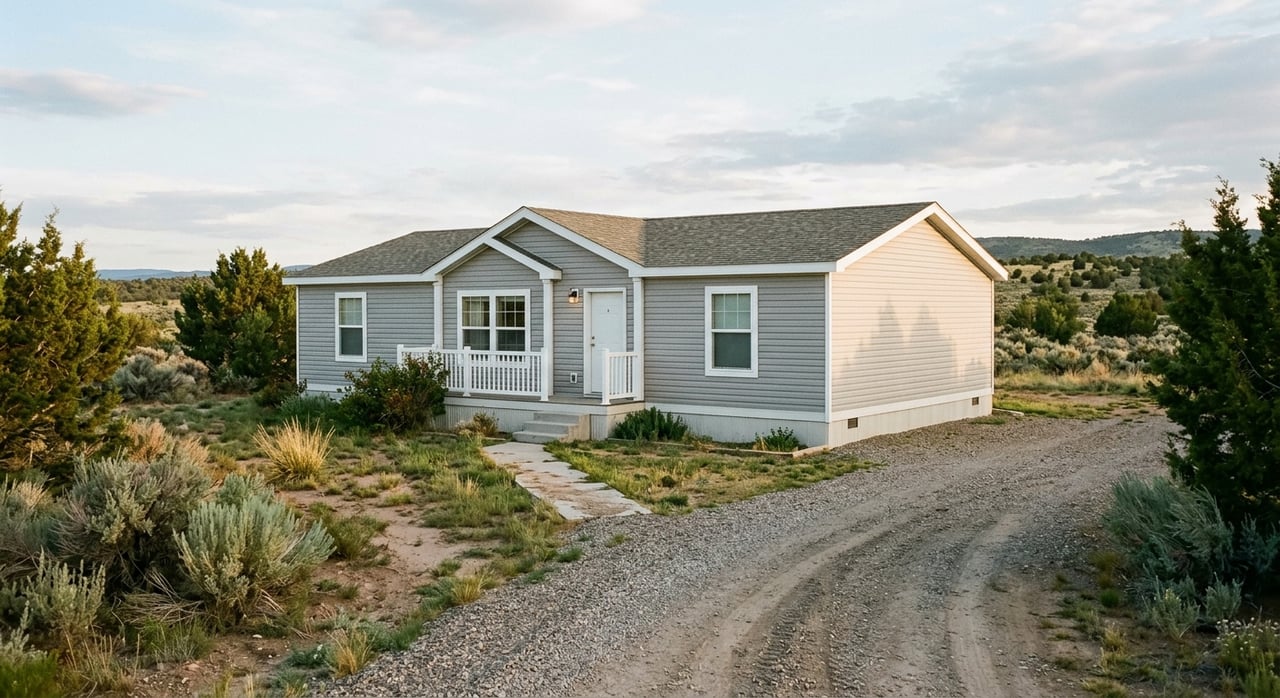
If the property is inside Quincy city limits, city code may require manufactured homes on standard city lots to meet several site-built-style standards. The code snippet in the research report includes requirements such as a minimum width of 24 feet, at least 900 square feet for a single-family dwelling, a 3:12 roof pitch, and foundation or skirting that looks similar to site-built housing.
The same Quincy code snippet also says the floor can be no more than 15 inches above finished grade, and designated manufactured home foundations must extend below the frost line. Older manufactured-home parks are excluded from some of these provisions, which is one reason you should verify the exact setup before you commit.
If the property is outside city limits, Grant County handles the permit review instead of Quincy. Grant County specifically tells applicants to confirm that the property is not inside city limits before submitting permit paperwork.
One of the biggest decisions is whether you are buying a home in a manufactured-home park or buying a manufactured home on land you will own. These are not the same type of purchase, and they can lead to very different financing, title, and long-term costs.
When a home is in a park on leased land, you own the home but not the space underneath it. In Washington, the Department of Revenue says a qualifying manufactured or mobile home park setup generally involves the homeowner not owning the rented space.
That means a leased-lot purchase involves two separate interests: the home itself and the land lease. In practical terms, park rules, lease terms, and transfer requirements can matter just as much as the condition of the home.
When you buy both the home and the land, the path may be more similar to a traditional real estate purchase. Washington law allows title elimination when the manufactured home is affixed to land owned by the homeowner, which can allow the home to be treated as real property instead of separate personal property.
Financing for manufactured homes depends heavily on whether the home is treated as real property or personal property. It also depends on whether you own the land.
The Consumer Financial Protection Bureau says land ownership is a key factor in how a manufactured home is classified and financed. In general, personal-property loans, often called chattel loans, tend to have higher denial rates, higher interest rates, and less refinancing than manufactured-home mortgages or site-built mortgages.
If you are buying a home on land you will own, and the home will be treated as real property, you may have more conventional financing options. Fannie Mae states that manufactured homes can support a more affordable ownership path relative to site-built housing, and it offers manufactured-home financing options when the home is titled as real property.
If the home will sit on leased land in a park, financing can be more limited. HUD’s Title I program can finance the home, the lot, or both, and for a leased lot HUD requires an initial lease term of three years and at least 180 days of advance written notice if the lease is terminated.
That is why the financing question is not just, “Can you qualify?” A better question is, what loan fits this specific home on this specific site?
If you are buying the land and want the home treated as real property, title elimination may be part of the process. In Washington, title elimination allows an affixed manufactured home on land owned by the homeowner to be treated as real property.
Once title is eliminated, the home is secured through a mortgage, deed of trust, or real estate contract rather than being treated as separate personal property. This can affect financing, closing, and resale.
The Washington Department of Licensing application requires all registered owners to sign, lienholders to consent, and the county or city building permit office to certify the paperwork. Grant County also says it reviews permits and inspections before signing title elimination forms and currently charges a $75 fee per signed title elimination.
The age of the home matters more than many buyers realize. HUD says manufactured homes built before June 15, 1976 are treated differently from homes built after that date.
Pre-1976 homes are generally not eligible for FHA-insured manufactured-home financing. That does not automatically mean a purchase is impossible, but it can narrow your loan options and affect resale flexibility later.
This is one reason buyers should confirm the exact manufacture date early in the process. It is much better to know upfront than to find out after you have already spent time and money on inspections, lender review, and negotiations.
A manufactured home purchase in Quincy should include careful due diligence on both the home and the site. The paperwork and installation details matter just as much as cosmetic condition.
HUD says you should confirm the HUD certification label and the interior data plate. The certification label is a metal tag on the outside of each transportable section, while the data plate is inside the home and lists details such as the manufacturer, serial and model information, manufacture date, and wind, roof, and snow-load zones.
If a label is missing, HUD does not reissue it, though a verification letter may be available. Missing information can complicate financing, appraisal, and documentation, so it is worth checking early.
In Washington, manufactured homes must be installed by an L&I-certified installer. According to the state, installation work includes the foundation, assembly, utility connections, and skirting.
If the property is in unincorporated Grant County, the county’s installation checklist gives you a practical look at what inspectors review. The first inspection focuses on items such as setbacks, address numbers, blocking, HVAC crossover ducting, ground cover, tie-downs, water shutoff, drain and waste connections, and plumbing testing or self-certification.
The final inspection looks at skirting, crawlspace vents, crawlspace access, water-heater drain, dryer vent, HVAC condensation lines, stairs, handrails, guardrails, and WAINS tags. Grant County also warns that it is unlawful to occupy the home before final inspection approval.
Another local detail matters here: Grant County says skirting should not be installed before the first inspection unless it is poured concrete skirting. That is the kind of small issue that can create delays if nobody catches it early.
Some buyers in Grant County consider moving a manufactured home onto a new site. If that is your plan, be sure to understand the permit steps before you buy.
Grant County says a building permit is required before moving the home within the county, even if the destination is a manufactured-home park. The county also states that a Treasurer’s movement permit must be obtained shortly before the move, and for in-county moves, current and prior-year taxes must be paid.
A moved home can still be a good opportunity, but you should budget time, paperwork, and transport-related costs carefully. It is not a detail to sort out at the last minute.
The right questions can save you from expensive surprises. Before you move forward, ask your lender and your real estate agent for clear answers.
Manufactured homes can offer a practical and more affordable ownership option in Quincy, but they come with extra moving parts. City rules, county permits, title treatment, park leases, and lender requirements all need to line up.
That is where local experience can make a real difference. When you work with someone who understands manufactured homes in Quincy and across Grant County, you can spot issues earlier, ask better questions, and avoid surprises that could delay or derail your purchase.
If you are thinking about buying a manufactured home in Quincy and want practical guidance from someone who knows Grant County, reach out to Medie Ruiz. You will get straightforward support, local insight, and help navigating the details with confidence.
Stay up to date on the latest real estate trends.

Medie Ruiz is dedicated to helping you find your dream home and assisting with any selling needs you may have. Contact him today for a free consultation for buying, selling, renting, or investing in Washington.