Moses Lake Rental Investment: Key Due Diligence Steps
July 16, 2026
July 16, 2026
Are small rental properties around Moses Lake a smart investment right now? They can be, but this is the kind of market where the details matter. If you want to buy a duplex, small single-family rental, or manufactured home as an income property, you need to look beyond the purchase price and study rent levels, vacancy, utilities, permits, and local rules before you make an offer. Let’s dive in.
Moses Lake still looks approachable compared with many higher-cost markets. Census QuickFacts reports a median owner-occupied home value of $310,000 in Moses Lake and $299,500 in Grant County, while median gross rent is $1,216 in Moses Lake and $1,116 countywide.
Those numbers matter because they suggest a market where smaller investors may still find entry points. They also show why cash flow cannot be assumed. Your margins may depend on property type, condition, utility setup, and how well the home fits local renter demand.
Grant County also continues to grow. The county's 2025 population estimate is 105,727, up 6.6% from 2020, and Moses Lake's 2025 population estimate is 27,469. Population growth does not guarantee performance for every rental, but it does support the case for steady housing demand over time.
A local Moses Lake housing needs assessment found that households were roughly split between renters and owners. It also found that renters had lower incomes overall and that housing cost burden was most common among low-income households, renters, and older adults.
For you as an investor, that points to a practical takeaway. Affordability and fit matter. A property with the right rent level, bedroom count, and layout may attract demand more reliably than a property that looks good on paper but misses what local households actually need.
The same assessment also identified a mismatch between household size and housing-unit size. That means smaller rental properties should be evaluated carefully by bedroom mix and floor plan, not just by square footage or curb appeal.
One of the biggest mistakes small investors make is treating vacancy like a fixed market number. In Moses Lake, the better question is how quickly your specific unit could re-rent after a tenant moves out.
The city's housing needs assessment reported limited housing vacancy and noted an 8.6% rental vacancy rate as of 2018. More recent ACS-based profiles show 95% of Moses Lake city housing units are occupied, while the broader Moses Lake micro area is 87% occupied. That difference suggests vacancy can vary a lot by submarket and property type.
Resident mobility also matters. Census Reporter profiles show 19.6% of Moses Lake residents and 13.4% of residents in the broader micro area moved within the previous year. That is not the same as rental vacancy, but it is a useful reminder to budget for turnover, cleaning, repairs, and lease-up time.
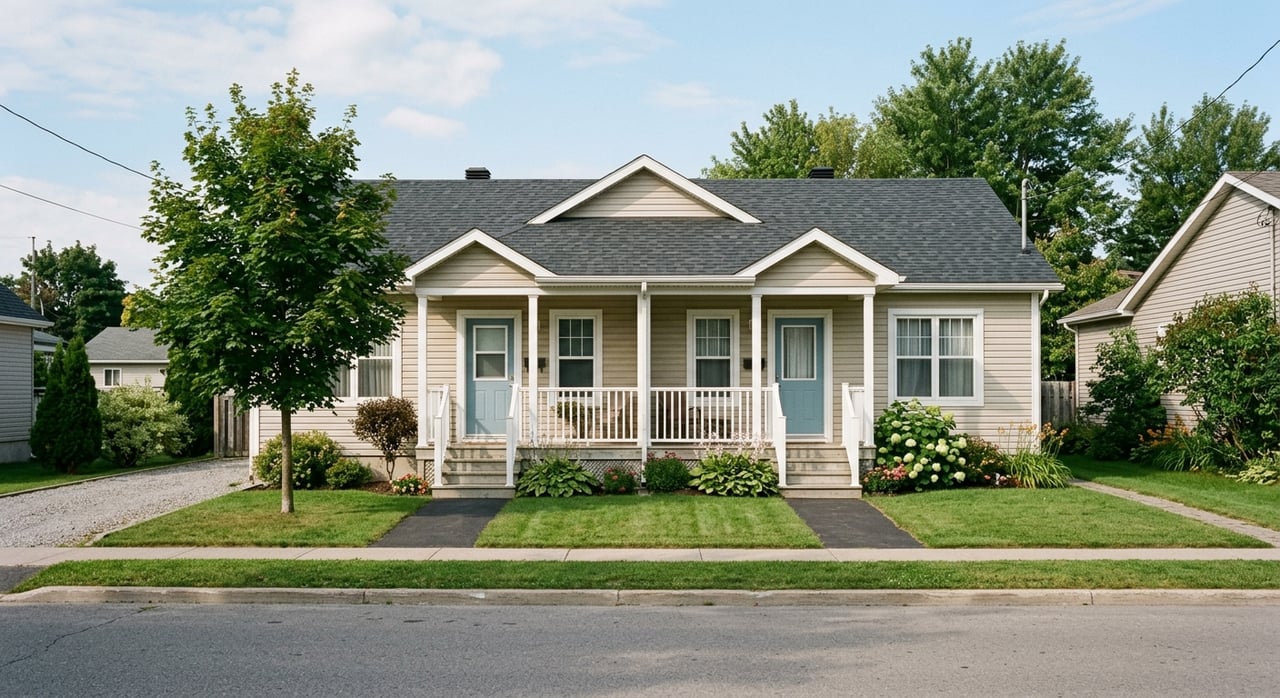
Not every small rental opportunity carries the same risk. Around Moses Lake, investors often look at practical, lower-maintenance property types that serve everyday local demand.
Here are the property categories worth studying:
Each comes with its own underwriting questions. A city duplex may have different utility and permit issues than a rural manufactured home, and those differences can affect your costs more than many first-time investors expect.
If you are building a rental-property budget, start with the recurring expenses that can quietly eat into cash flow. Local utility charges are a big one.
According to the City of Moses Lake billing information, a single-family 0.75-inch water meter has a fixed charge of $26.85 per month, sewer is $42.98, and stormwater is $7.67 per residential unit. Garbage rates are listed at $22.68, $24.75, or $37.12 per month depending on cart size.
The city also states that utility rates include a 10% utility excise tax. For properties outside city limits that still receive city water or sewer, service carries a 25% surcharge.
That outside-city surcharge is easy to overlook when you run your numbers. If you are comparing a home inside Moses Lake city limits with one just outside the city, utility structure alone can change your monthly operating cost.
There is another local detail investors should not ignore. The City of Moses Lake says unpaid utility balances stay with the property, not the customer.
That means a past-due balance can affect your closing if it is not caught early. It is one of the more important local due-diligence items because it is easy to miss and can become your problem if not addressed before you take ownership.
Late charges also add up. The city states late payment charges are 2% with a $5 minimum, which is another reason to verify the account status during your review period.
Property taxes should be part of your annual cash-flow model, not an afterthought. Grant County says the assessor values property at fair market value for tax purposes and compiles levy rates.
Washington's 2026 property-tax calendar keeps the first half due April 30 and the second half due October 31. You should budget for those dates in advance so your rental reserves are ready when payments come due.
If you believe an assessed value is incorrect, the Grant County Board of Equalization hears valuation appeals. The county also notes that the board cannot consider the amount of property taxes itself, only the valuation issue.
Repairs, additions, and conversions can change the income potential of a small rental, but only if the work was done properly. Before you buy, review permit history and confirm what jurisdiction controls the property.
Inside Moses Lake city limits, the city's building department administers building and site-development requirements under city code. The city says remodels, additions, and accessory dwelling units go through its permit portal, and it adopted the 2021 Washington State Building Codes on March 15, 2024.
For properties in unincorporated Grant County, the county building division handles permit review. Depending on the project, review may also involve planning, the fire marshal, public works, the health district, and confirmation of city services if city water or sewer will be used.
That is why jurisdiction matters so much. A property that looks like it is “close enough” to town may have a very different approval path if it is outside city limits.
Manufactured homes can be a lower-cost way to enter the rental market around Moses Lake, but they require careful review. This is an area where local knowledge can save you from expensive surprises.
Washington's Department of Licensing says title elimination is the process used to record a manufactured home as real property, and the owner must own the land where the home will be located. Grant County also says its building division researches permits and inspections before signing title elimination, and the county charges $75 per signed elimination.
The City of Moses Lake's 2026 fee schedule lists mobile home placement at $382 for the home only, excluding a permanent foundation. It also lists title elimination billed at $82.16 per hour.
If you are considering a manufactured home as a rental, confirm whether the home is already treated as real property, whether the title status matches the listing details, and whether past permits and inspections are complete. Those steps are especially important before you finalize financing or close.
Rural properties can appeal to investors who want land, lower density, or a different tenant profile. They can also bring more moving parts.
Grant County says its building division reviews permit applications only for unincorporated properties and asks applicants to verify that a parcel is not inside city limits before submitting. For rural properties not on city sewer or water, the health district reviews septic systems and potable water.
If a rural parcel will be served by city utilities, city-services confirmation may still be required. This is one more reason to verify utility setup, service responsibility, and permit records before you commit.
Washington rent rules belong in your underwriting from day one. If your investment plan depends on quick or large rent increases, you need to know the current limits before you buy.
Washington's Department of Commerce says the maximum annual rent increase for 2026 is 9.683% for most RLTA-covered tenancies. The Washington Attorney General also states that landlords may not raise rent during the first 12 months and must give 90 days' written notice.
For manufactured or mobile home park spaces, the annual increase cap is 5%. These rules do not make investing impossible, but they do mean your projections should be realistic and based on current law.
If you are investing in a small rental around Moses Lake, your safest move is to verify the basics before you write an aggressive offer. A practical review can help you avoid overpaying for a property that comes with hidden costs or legal issues.
Focus on these items first:
Small rental properties around Moses Lake can make sense for investors who stay disciplined. The market offers accessible price points relative to many other areas, a meaningful renter base, and continued county growth.
At the same time, this is not a market for shortcuts. The properties that tend to make more sense are the ones where rent level, layout, utility burden, and legal status all line up clearly.
If you want local guidance on evaluating a duplex, single-family rental, manufactured home, or rural property in Grant County, Medie Ruiz can help you look closely at the details that matter before you buy.
Stay up to date on the latest real estate trends.

Medie Ruiz is dedicated to helping you find your dream home and assisting with any selling needs you may have. Contact him today for a free consultation for buying, selling, renting, or investing in Washington.