Moses Lake vs Quincy Real Estate Market Comparison
May 28, 2026
May 28, 2026
Trying to choose between Moses Lake and Quincy? At first glance, both markets can look similar, but the details tell a more useful story. If you are buying, selling, or planning a move within Grant County, knowing how inventory, pricing, housing types, and market speed differ can help you make a smarter decision. Let’s dive in.
If you compare the latest housing numbers side by side, the biggest difference is market pace and available selection. As of March 31, 2026, Zillow shows a typical home value of $364,481 in Moses Lake and $424,717 in Quincy. On the same date, Moses Lake had 164 homes for sale, while Quincy had 51.
Redfin’s March 2026 closed-sale data adds another layer. The median sale price was $374,495 in Moses Lake and $369,000 in Quincy, with median days on market at 87 and 53, respectively. In simple terms, Quincy appears tighter and faster-moving, while Moses Lake offers more listings and a slower resale pace.
That price gap can seem confusing, but it makes sense once you know the data sets measure different things. Zillow’s typical home value is not the same as Redfin’s median closed-sale price. That is why the best takeaway is not that one city is always cheaper than the other, but that each market behaves a little differently.
For many buyers, inventory shapes the experience as much as price. Moses Lake currently offers more homes for sale, which can give you more room to compare neighborhoods, layouts, lot sizes, and property types. If you want options and a little more time to evaluate them, that matters.
Quincy’s lower listing count suggests a tighter market. With fewer homes available and faster median market times, you may need to make decisions more quickly when the right property appears. That does not mean every listing moves fast, but the overall pace is more competitive.
If you are relocating, buying your first home, or looking for a property with very specific features, this difference can shape your entire search. A broader selection in Moses Lake may feel more flexible. A tighter Quincy market may reward preparation and quick action.
Affordability is where many buyers expect a clear winner, but the numbers are more nuanced than that. Census QuickFacts for 2020 through 2024 show the median value of owner-occupied housing units at $310,000 in Moses Lake and $336,800 in Quincy. That suggests Moses Lake is somewhat lower on this measure.
But monthly ownership costs do not follow the exact same pattern. The same Census data shows median monthly owner costs with a mortgage at $1,789 in Moses Lake and $1,694 in Quincy. Median gross rent is also fairly close, at $1,216 in Moses Lake and $1,161 in Quincy.
The practical takeaway is simple: you should think in terms of ranges and tradeoffs, not labels. One market may look lower on paper in one data set, while the other may look more manageable in a monthly budget category. If you are comparing the two, it helps to look at purchase price, payment, property type, and available inventory together.
Moses Lake offers a housing mix that can appeal to a wide range of buyers. According to the city’s 2021 housing element, about two-thirds of housing units are single-family, just over one-quarter are duplex or multi-family, and about 11% are mobile homes. The same document notes that ownership options such as condos or townhouses are almost nonexistent.
That matters if you are searching for practical entry points into ownership. Moses Lake’s planning documents encourage housing forms such as attached single-family units, modular or manufactured housing, duplexes, townhouses, clustered housing, and mixed-use development. The city’s permit portal also lists permit types for single-family dwellings, duplexes, townhouses, multi-family, and accessory dwelling units.
For buyers, that can translate into a broader mix of familiar property types. For sellers, it means your home may compete within a larger and more varied pool of listings. If you own a single-family home, manufactured home, or a property with room for flexible use, understanding where it fits in that mix is important.
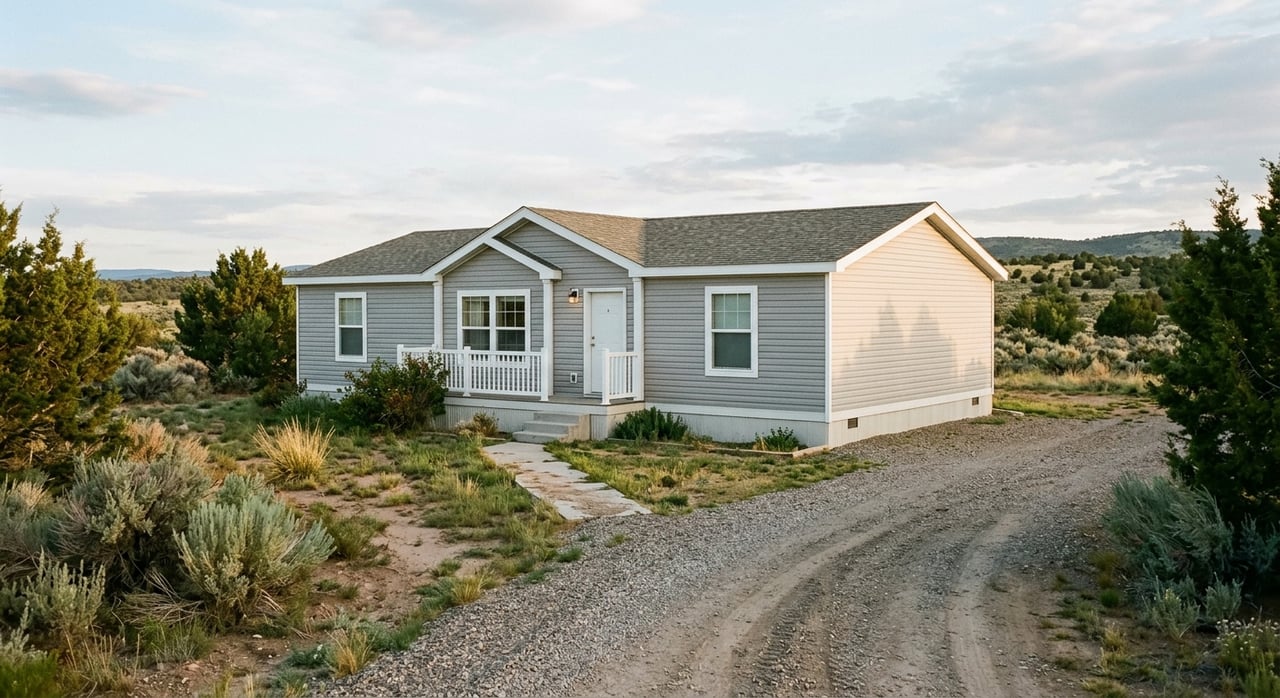
Quincy’s housing stock looks different. The city’s comprehensive plan shows a mix of 52.6% single-family, 27.8% manufactured home or park, 12.3% multi-family, and 8.4% apartment complex. Compared with Moses Lake, Quincy shows a more visible manufactured-home presence and a stronger higher-density rental component.
The city’s planning direction also points to continued housing diversity. Quincy’s residential zoning includes single and two-family residential and multiple residential districts. Recent 2026 notices show active work related to co-living housing and an annexation and rezone into multifamily zoning.
If you are a buyer, that may open up a different mix of opportunities depending on your goals. If you are a seller or property owner, those planning changes are worth watching because future supply and zoning flexibility can influence how the local market evolves.
Moses Lake and Quincy serve different kinds of household needs, even though they are both part of the same larger region. Moses Lake’s 2024 QuickFacts profile shows 26,969 residents, 10,092 households, an owner-occupied housing rate of 61.2%, and 2.55 persons per household. The city also describes itself as a diverse community with aerospace, manufacturing, and agricultural heritage.
That profile supports a broad buyer pool. You may see interest from first-time buyers, move-up buyers, and households considering single-family homes or manufactured-home options. A larger city footprint and more listings can also give buyers more ways to match a home search with budget and property preferences.
Quincy is smaller, with 8,294 residents and 2,602 households, but the average household size is larger at 3.00 persons. QuickFacts also show a high share of residents speaking a language other than English at home, and the city describes its economy as largely agriculture-based, supported by processing plants, packing houses, and light industry.
That combination points to a market that may fit buyers looking for a smaller rural-town setting, larger households, or housing that supports multigenerational living. It also helps explain why housing diversity remains an active issue in local planning.
If you are selling in Moses Lake, the current market may require strong positioning. More listings and a longer median time on market can mean buyers have more choices. Pricing, presentation, and a clear marketing plan matter even more when selection is higher.
If you are selling in Quincy, the tighter inventory picture may work in your favor. Fewer available homes and faster market times can support stronger buyer attention, especially when your home matches current demand. Still, local strategy matters because not every property type performs the same way.
This is where local experience can make a real difference. A broker who understands buyer demand across single-family homes, manufactured housing, acreage, and entry-level price points can help you avoid broad assumptions and focus on what applies to your property.
If you are buying in Moses Lake, you may benefit from having more choices on the market today. That can be especially helpful if you are comparing different property types, searching for entry-level options, or looking for a home that fits a specific budget.
If you are buying in Quincy, preparation may be more important than patience. A smaller inventory pool and faster market pace can make readiness a key advantage. Knowing your budget, desired property type, and must-have features before you start touring can help you act confidently.
Both cities can work well depending on your goals. The better question is not which market is universally better, but which one fits your timeline, budget, and housing needs.
Both Moses Lake and Quincy are actively shaping their future housing supply. Moses Lake’s community development department oversees residential, multi-family, commercial, industrial, and public construction, and the city has a 2027 comprehensive plan update underway. Quincy is also in a 2027 comprehensive plan update process.
In Quincy, 2026 public notices on co-living housing and a multifamily annexation and rezone suggest active movement around housing options. In Moses Lake, the city’s planning and permitting framework also reflects a wider range of housing forms. For buyers, sellers, and investors, that means neither market is standing still.
The biggest long-term lesson is this: today’s listing count is only part of the story. Future zoning, permit activity, and housing policy can all affect what inventory looks like over time.
Moses Lake and Quincy are close geographically, but they do not function exactly the same as housing markets. Moses Lake currently offers more inventory and a slower pace, which can give buyers more choices and sellers more competition. Quincy looks tighter and faster-moving, with fewer listings and a housing mix that includes a stronger manufactured-home and higher-density component.
If you are deciding where to buy or how to position a home for sale, the smartest move is to compare your goals against the way each market actually works. That includes more than just price. It includes property type, monthly costs, inventory, pace, and future housing supply.
If you want local guidance on buying or selling in Moses Lake, Quincy, or nearby Grant County communities, Medie Ruiz can help you compare your options with practical, hands-on advice.
Stay up to date on the latest real estate trends.

Medie Ruiz is dedicated to helping you find your dream home and assisting with any selling needs you may have. Contact him today for a free consultation for buying, selling, renting, or investing in Washington.