How to Sell Your Starter Home in Moses Lake
March 5, 2026
March 5, 2026
Thinking about selling your first place in Moses Lake but not sure where to start? You want a strong price without sinking money into projects that will not pay you back. With a focused plan, you can get market ready fast and avoid surprises. In this guide, you will learn what “starter home” means locally, which budget-friendly fixes matter most, how to handle Washington disclosures, and how to price with confidence. Let’s dive in.
In late 2025 through January 2026, typical Moses Lake sale prices landed in the low to mid $300Ks, with different data providers showing a range of about $315,000 to $390,000. In practical terms, a “starter” here often means homes priced at or below the city’s median. Since neighborhood trends vary, ask your agent for a fresh CMA to pin down where your home fits today. The right price band sets the stage for a faster, cleaner sale.
Small, smart updates help entry-level homes shine without burning your budget. Prioritize items that look great in photos, help your home show clean and safe, and reduce buyer objections.
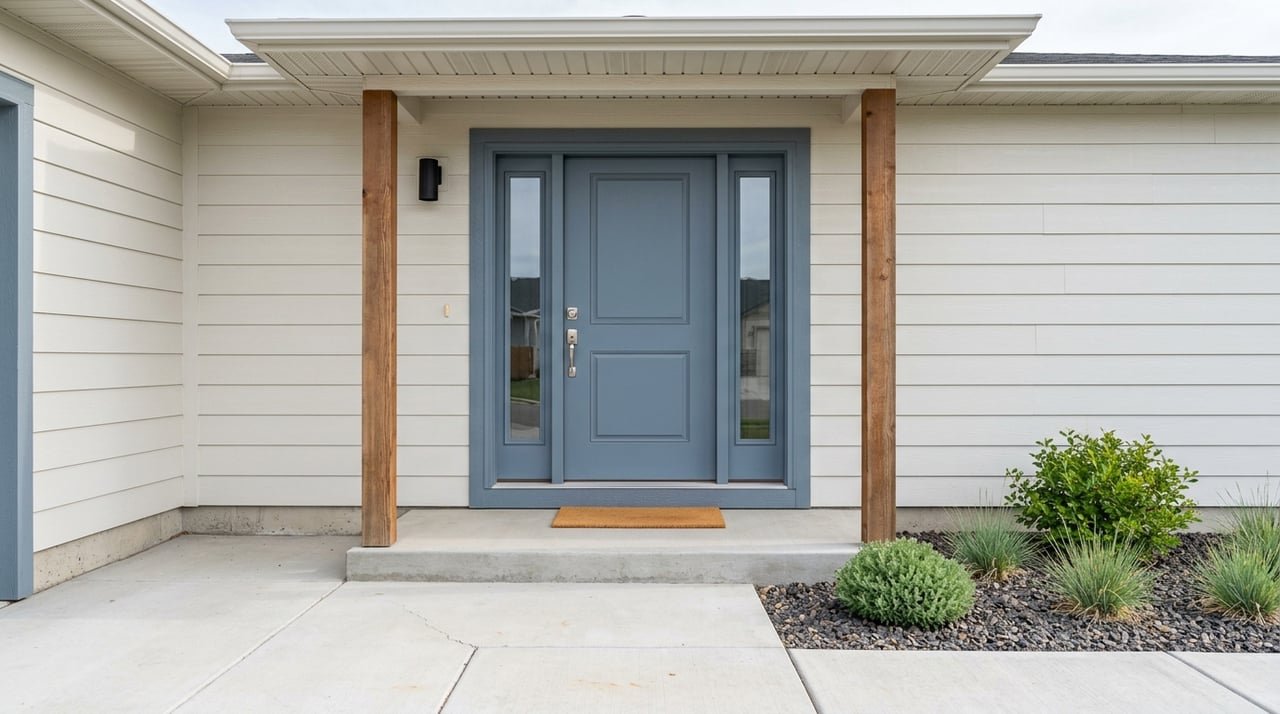
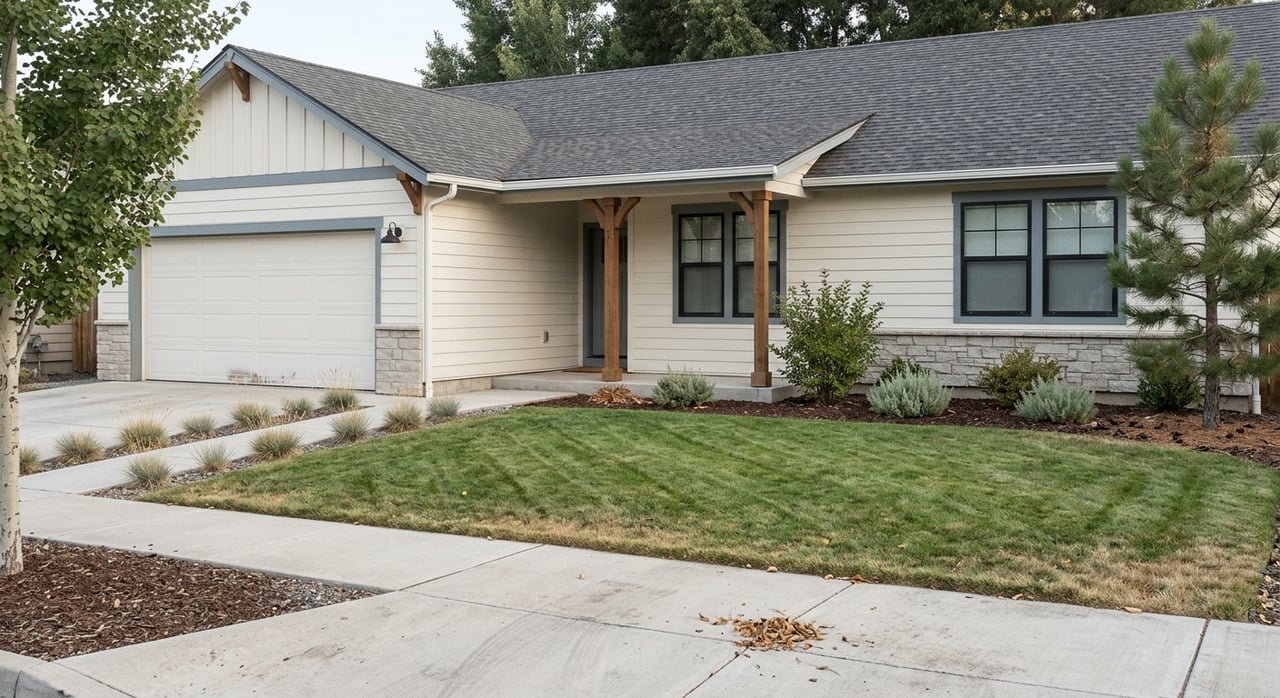
Freshen the yard, edge and mow, trim shrubs, clean gutters, and power-wash the siding and walkways. Paint or replace a tired front door and polish or update hardware. These weekend projects boost first impressions and listing photos. The latest Cost vs. Value research highlights exterior work as a top return on investment for sellers. See the national data at the Remodeling Cost vs. Value site: exterior projects often deliver strong ROI. Budget guide: many minor curb appeal refreshes can be done for a few hundred to around one thousand dollars depending on scope.
A professional deep clean and thorough declutter make rooms feel larger and brighter. Pack away personal items, clear surfaces, and repair obvious scuffs or nail holes. According to the National Association of Realtors, cleaning and decluttering are among the most common and effective staging steps, and staging can reduce time on market and increase offers. Review the 2025 NAR home staging insights for why this matters.
If walls are worn or bold, repaint high-traffic rooms in warm, neutral tones. For smaller homes, a light, single-color refresh is fast and cost-efficient. National averages suggest many small-scale interior paint jobs run about $1,000 to $3,000 depending on size and scope. Check the range at HomeAdvisor’s interior painting guide.
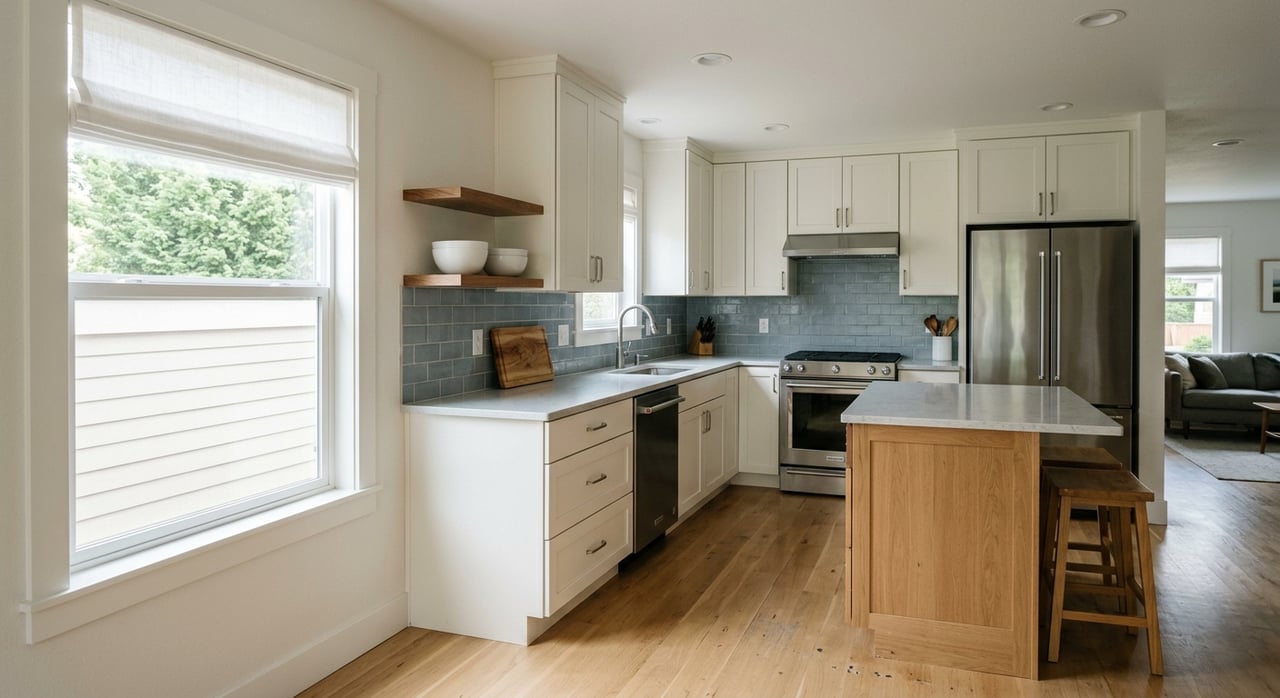
Skip full remodels. Focus on fixes buyers see: repaint or reface cabinets, swap dated hardware, update faucets and lighting, and consider a fresh, durable countertop if the current one is very tired. Cost vs. Value data shows smaller kitchen projects tend to recoup better than full gut remodels in entry-level price bands.
Deep-clean carpets or replace worn areas. If budget allows, install affordable LVP in key spaces for a durable, photo-friendly look. National averages show carpet replacement costs vary by size; use per-square-foot estimates to plan. See HomeAdvisor’s carpet cost overview.
Buyers will ask about roof, HVAC, electrical, plumbing, and water sources. Do a basic HVAC tune-up, test smoke and CO detectors, add GFCI outlets where required, and handle small roof and plumbing fixes before listing. Typical HVAC tune-ups often fall in the $75 to $200 range. Learn more about typical service costs via Angi’s HVAC service overview. Keep receipts and maintenance records in one folder for buyers.
For smaller homes, layout and light sell the story. A simple staging plan and strong photos can speed up showings and support better offers. NAR’s 2025 report notes that staged properties often see reduced days on market and improved buyer perception. Review the NAR staging findings to guide your approach. A modest, agent-assisted staging setup can be very affordable relative to impact.
A seller inspection helps you spot issues early, decide what to fix, and price with clarity. For a typical starter home, expect around $300 to $500 for a standard home inspection, with add-ons like sewer scope or water tests extra. See typical ranges in Fixr’s home inspection cost guide. Use the report to prioritize repairs and to inform disclosures.
Washington requires sellers of improved residential property to deliver a completed seller disclosure statement, commonly called Form 17, unless an exemption applies. Timing matters, and buyers generally have a short window to rescind after receiving the disclosure. Read the statute in RCW Chapter 64.06, and complete Form 17 early so your listing stays on track.
In parts of Moses Lake and Grant County, homes use private wells or on-site septic systems. Gather your well information, as-built septic drawings, pump or inspection receipts, and any operations and maintenance records. The Grant County Health District oversees on-site sewage and drinking-water questions. Find local environmental program info at the Grant County Health District.
Areas near the former Larson AFB and Grant County International Airport have a history of groundwater contamination and ongoing monitoring. If your property is in or near these zones, disclose what you know and be ready to share official resources with buyers. For background, see the Washington Department of Ecology’s Moses Lake Wellfield cleanup page. Transparency reduces surprises and builds trust.
If your home was built before 1978, federal rules require you to disclose known lead-based paint and provide buyers with the EPA lead pamphlet. Washington’s Form 17 process references this requirement. Confirm your home’s build year and have documents ready.
Form 17 asks about improvements and permits. If you completed projects, gather permit records and receipts. If you belong to an HOA, request the resale certificate early. Clear paperwork helps avoid closing delays.
Your pricing strategy should reflect neighborhood comps, size, condition, lot features, and whether you are on city utilities or well and septic. Market-value pricing based on a strong CMA typically draws qualified buyers and steady interest. In certain inventory conditions, a slight underpricing within key online search ranges can improve visibility, but use this tactic carefully. Avoid big remodels right before listing. Cost vs. Value benchmarks show smaller exterior updates and minor kitchen or bath refreshes often return more than large-scale projects in the starter price band.
Use this as a planning model. Get local quotes to refine your numbers.
Sample starter budget (estimate only):
With the right prep and a clear pricing strategy, your starter home can stand out, attract qualified buyers, and close with fewer bumps. If you want local guidance, vendor referrals, and a professional marketing plan tailored to entry-level homes in Grant County, reach out to Medie Ruiz. Let’s connect and put a practical, high-impact plan in motion.
Stay up to date on the latest real estate trends.
Medie Ruiz is dedicated to helping you find your dream home and assisting with any selling needs you may have. Contact him today for a free consultation for buying, selling, renting, or investing in Washington.