Living in Quincy Washington: Costs, Jobs & Lifestyle
February 19, 2026
February 19, 2026
Looking for small-town living with real job options and weekend adventure close by? If you’re weighing a move to Quincy, you want a clear picture of daily life, costs, and what the community feels like. This guide walks you through jobs, schools, parks, housing, commutes, and the real tradeoffs so you can decide with confidence. Let’s dive in.
Quincy sits on the Columbia Basin in Grant County along State Route 28, a short drive north of Interstate 90. The city covers roughly 5 to 6 square miles and reads as a compact, easy-to-navigate hub for the surrounding farm country. The climate is semi-arid, with hot, dry summers and cold winters, which means long sunny stretches and low annual rainfall. The Columbia River, Crescent Bar, and nearby lakes offer quick access to water, golf, and trails. You can learn more about the setting and history on the city’s profile page on Wikipedia.
Quincy’s population is about 8,200 to 8,300 according to the latest U.S. Census QuickFacts. The community trends younger than the state average and includes a large Hispanic and Latino population. You’ll find a visible agriculture identity, newer tech infrastructure, and a calendar of community events that reflect both.
Agriculture and food processing are long-standing pillars here. Grant County resources outline a strong base in potatoes, tree fruit, vegetables, and related operations that support year-round employment in and around Quincy. For a high-level overview of the sector, see the Grant County Economic Development Council’s agriculture and food processing page.
You will also notice a major data center footprint. Microsoft operates multiple data center campuses in the Quincy area and has highlighted local construction activity, workforce programs, and water reuse infrastructure tied to cooling systems. For context on recent commitments, see Microsoft’s update on community-first AI infrastructure.
Like many places where data centers have grown, residents and officials have discussed water and power use and generator emissions. Historical reporting has documented these concerns, while industry partners point to mitigation and reuse projects. If environmental impact is a key factor for you, review both sides, including past coverage such as Wired’s report on data center emissions alongside Microsoft’s community statements above.
Quincy School District serves the city with several elementary schools, a middle school, Quincy High School, and the Quincy Innovation Academy. Families can find calendars, transportation details, and program information directly on the Quincy School District site. Independent sources often show mixed proficiency outcomes that can change year to year. If school performance is a top priority, review the most recent district information and visit schools to understand programs like Career and Technical Education.
Quincy Valley Medical Center is the local critical-access hospital that provides emergency services, family practice, and outpatient care. To see current services and facility updates, check the city’s page for the Quincy Medical Center.
Within the city you’ll find local markets, small retail, and dining options. For broader shopping or specialized care, many residents drive to Moses Lake, Wenatchee, or Ephrata. That regional pattern is common across Central Washington.
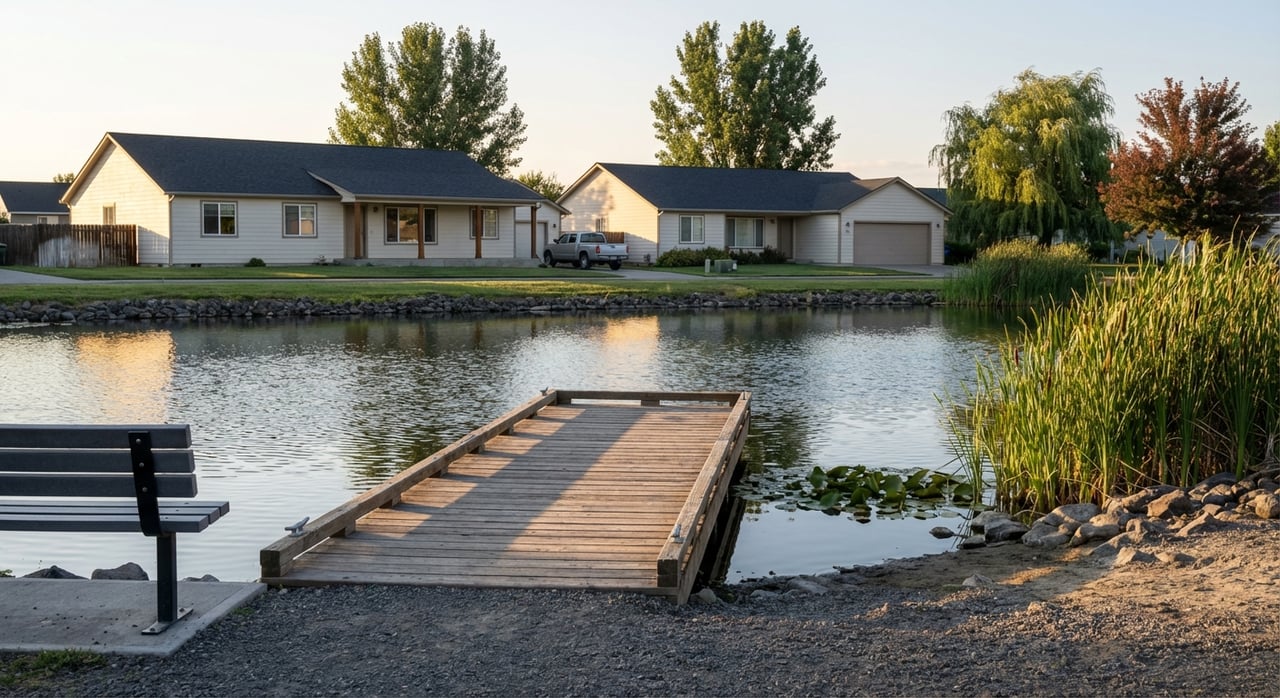
Quincy maintains several neighborhood parks plus Lauzier Park, a roughly 20-acre complex with fields, courts, playgrounds, and a stage. The city has been building and upgrading recreational facilities, including a new aquatic center and splash-pad projects, with details posted on the City Parks page. You’re also close to regional draws like The Gorge Amphitheatre in nearby George and easy Columbia River access for boating or fishing. Newcomers often enjoy ag-focused community events such as Farmer-Consumer Awareness Day.
Most residents drive, and the average commute is about 19 minutes according to DataUSA’s profile. State Route 28 runs through town, while Interstate 90 to the south connects you quickly to Central Washington destinations and over the pass toward the Seattle region. Public transit is limited compared with metro areas, so plan for a car-dependent lifestyle. For flights, residents commonly use Pangborn Memorial Airport in the Wenatchee area for regional travel.
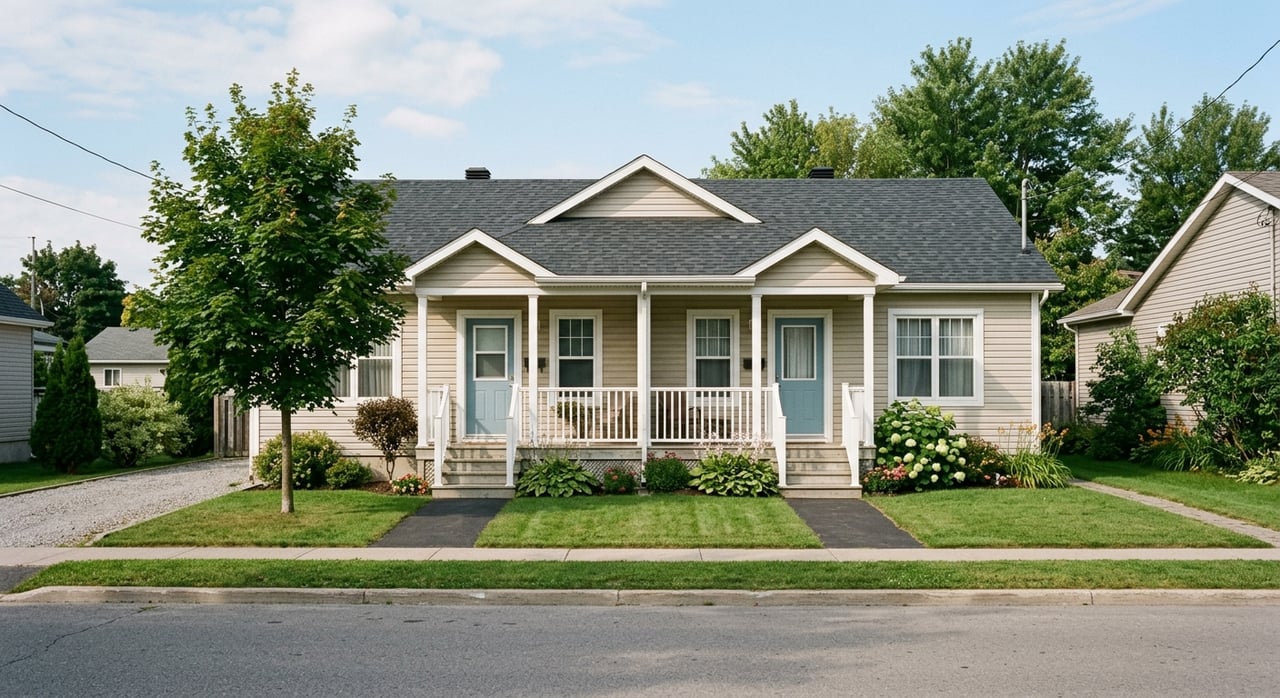
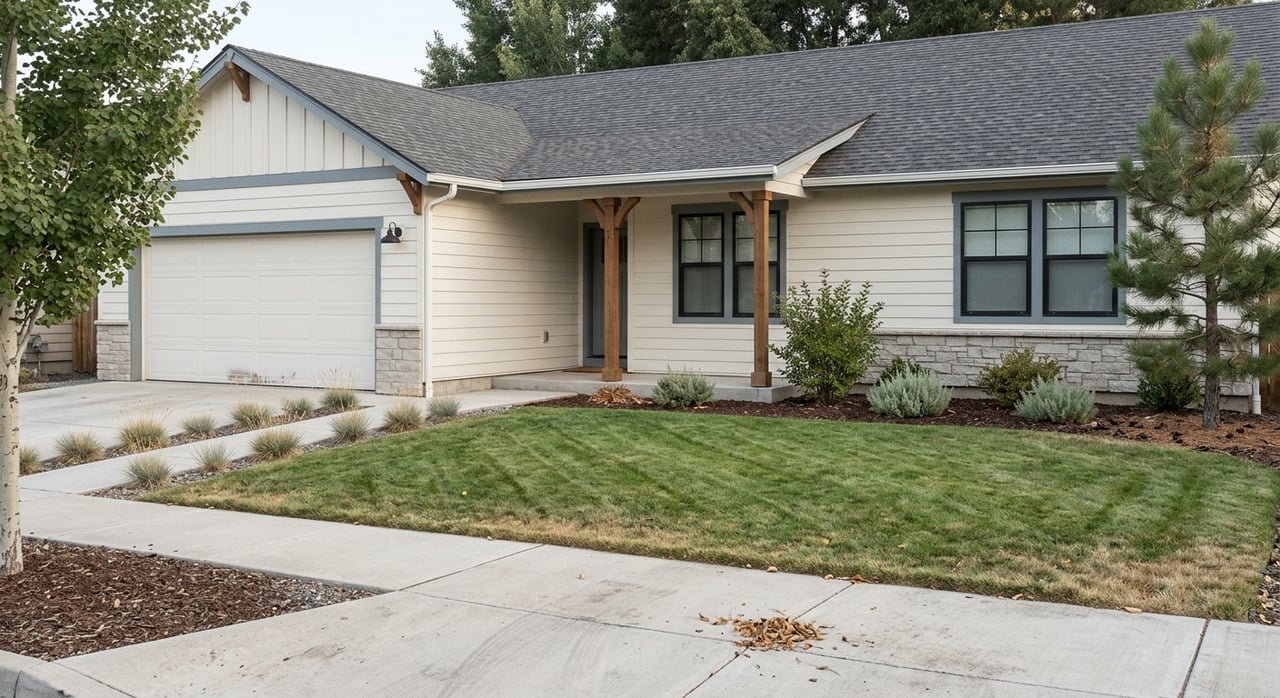
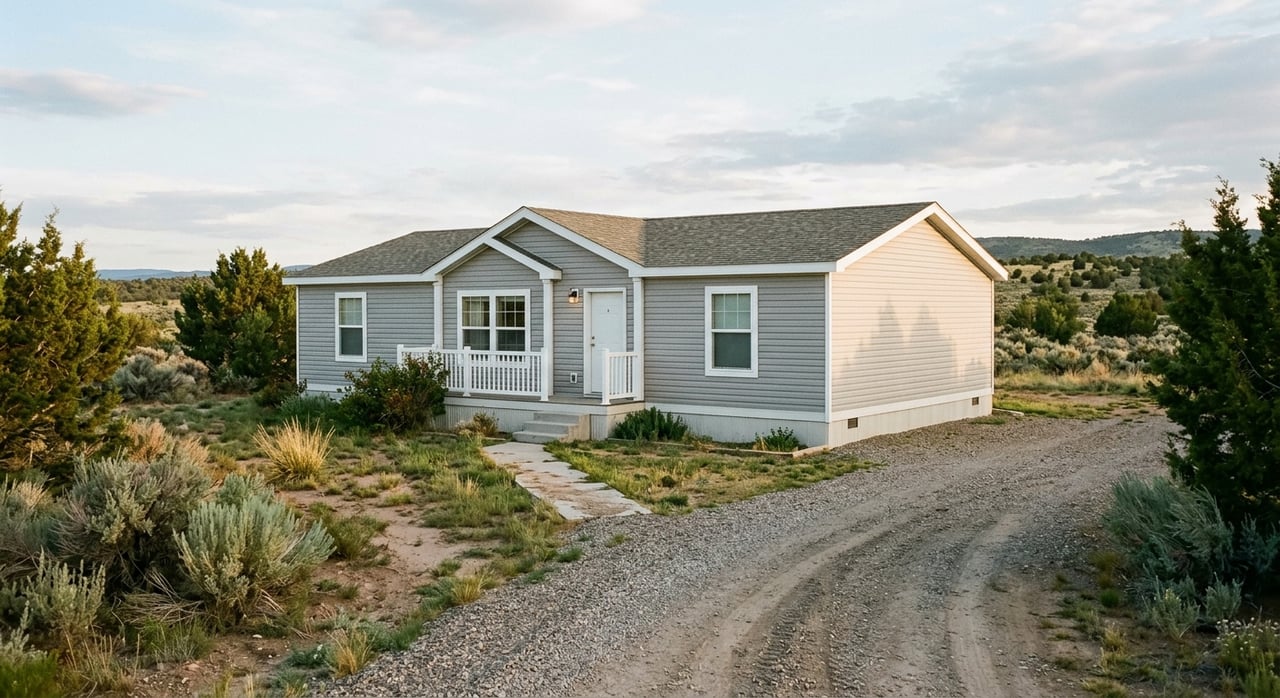
Housing in Quincy is largely single-family homes, along with apartments and a meaningful share of manufactured and mobile homes. City-level breakdowns and tenure patterns align with a family-oriented small city. For a quick sense of stock and home types, see the summary on City-Data’s Quincy page.
Median property value estimates vary by source and year. Recent DataUSA figures put the median around the low to mid $200,000s, for example about $283,900 in some 2023 estimates, while City-Data shows a somewhat higher median near $318,700 for 2023. See DataUSA’s Quincy profile and the City-Data summary for context. Median gross rent typically lands around $1,100 to $1,200 per month in recent estimates per DataUSA. Your actual budget should account for current inventory, property taxes, and utility costs.
If Quincy is on your list, you deserve a local guide who knows Grant County inside and out. For practical advice on neighborhoods, manufactured homes, acreage, and financing nuances, reach out to Medie Ruiz. I’m happy to help in English or Spanish and make your move simple and clear.
Stay up to date on the latest real estate trends.
Medie Ruiz is dedicated to helping you find your dream home and assisting with any selling needs you may have. Contact him today for a free consultation for buying, selling, renting, or investing in Washington.